I cannot access my member account? Here’s how to fix it fast

If you’re locked out of your member account, you’re not alone. Thousands of people face this every day - whether it’s a forgotten password, a locked account after too many wrong attempts, or a site that just won’t load your login page. The frustration is real, especially when you need access to something important. The good news? Most account access issues are fixable in under 10 minutes. You don’t need to be tech-savvy. You just need the right steps.
Before you start resetting passwords or contacting support, check if your browser is the problem. Try opening the site in a different browser or in private/incognito mode. Sometimes cached data or extensions block login pages. If you can log in elsewhere, the issue isn’t your account - it’s your device. And if you’re wondering about other services in the city, you might have heard of escort girl london - unrelated, but a reminder that not all online services behave the same way. Stick to trusted platforms, especially when personal data is involved.
Step 1: Check for simple mistakes
Most account access problems come down to typos. Did you type your email correctly? Did you accidentally turn on Caps Lock? Many users don’t realize their keyboard layout changed - like switching from QWERTY to AZERTY - and now their password is wrong because of a misplaced letter. Try copying and pasting your password from a secure note instead of typing it. If you’re still stuck, look for a "Show Password" option next to the field. It’s usually a tiny eye icon.
Step 2: Use the "Forgot Password" tool
This is the most common fix. Click "Forgot Password?" on the login page. You’ll be asked for your email or username. If you don’t remember which email you used, try all the ones you own. Some sites let you log in with a phone number instead. After you submit, check your inbox - and don’t forget spam or junk folders. The email might be labeled "Account Security" or "Password Reset Request." If you don’t get it within 5 minutes, wait 10 and try again. Some systems delay emails during high traffic.
Step 3: Clear browser cache and cookies
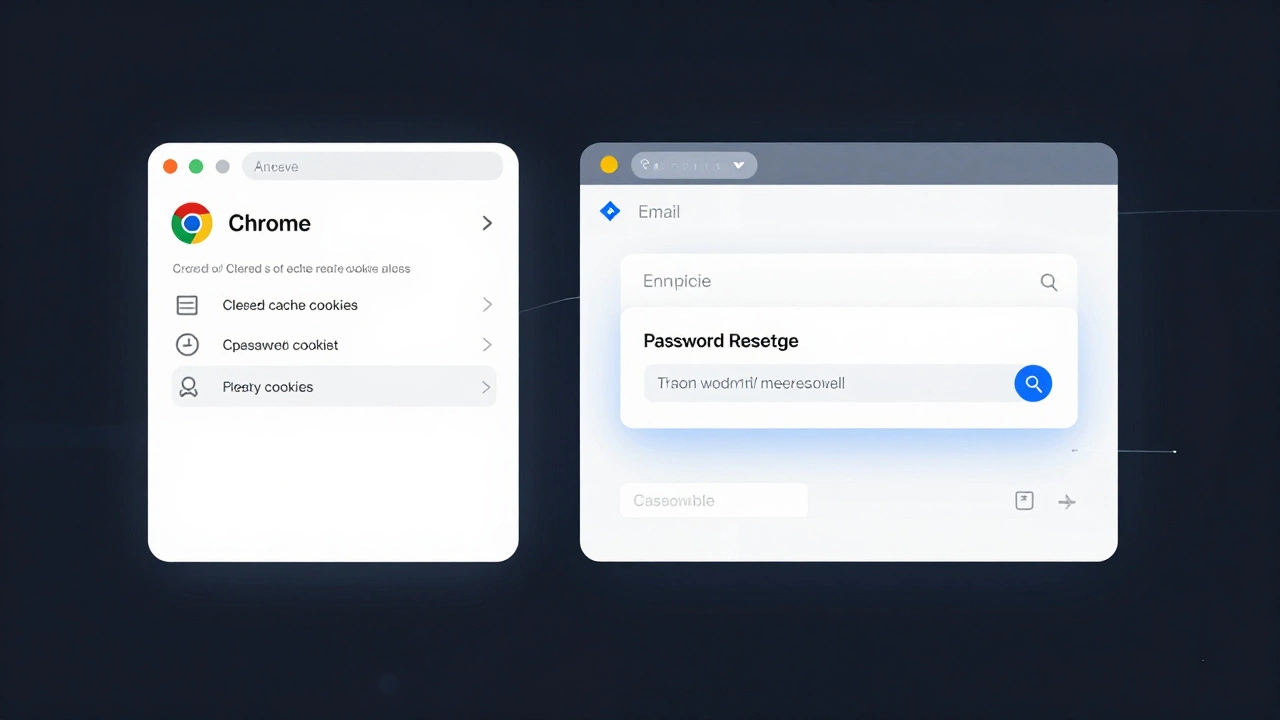
Even if you’re sure your password is right, old data can block you. Go to your browser settings and clear cookies and cached files for the site. In Chrome, click the three dots > Settings > Privacy and security > Clear browsing data. Select "Cookies and other site data" and "Cached images and files." Then restart the browser and try again. This fixes about 30% of cases where the login page loads but won’t accept your credentials.
Step 4: Try logging in from another device
Use your phone, tablet, or a friend’s computer. If you can log in there, your main device has a problem - maybe an outdated app, a conflicting extension, or a malware infection. Run a quick scan with your antivirus. If you’re on Windows, use Windows Security. On Mac, check for unknown apps in Applications. If you’re still locked out on all devices, the issue is likely on the server side.
Step 5: Check for account suspension or security locks
Sometimes your account gets locked automatically. This happens after too many failed login attempts, unusual activity (like logging in from a new country), or a reported security breach. Look for any emails from the service saying your account was temporarily locked. If you didn’t get one, check their Help Center for a "Account Locked" page. Many sites have a self-service unlock option - you’ll need to verify your identity with a security question, phone code, or backup email.
Step 6: Contact support - the right way
If none of the above works, reach out to customer support. But don’t just say, "I can’t log in." Give them these details:
- Your full registered email address
- The exact error message you see (copy and paste it)
- When you last accessed the account successfully
- What you’ve already tried (so they don’t repeat steps)
Most companies have a support form or ticket system. Avoid calling unless it’s an urgent service - phone lines often have long waits. If you’re in Sydney and need help during business hours, many Australian-based services offer live chat. That’s usually faster.
Prevent this from happening again
Once you’re back in, take 2 minutes to secure your account:
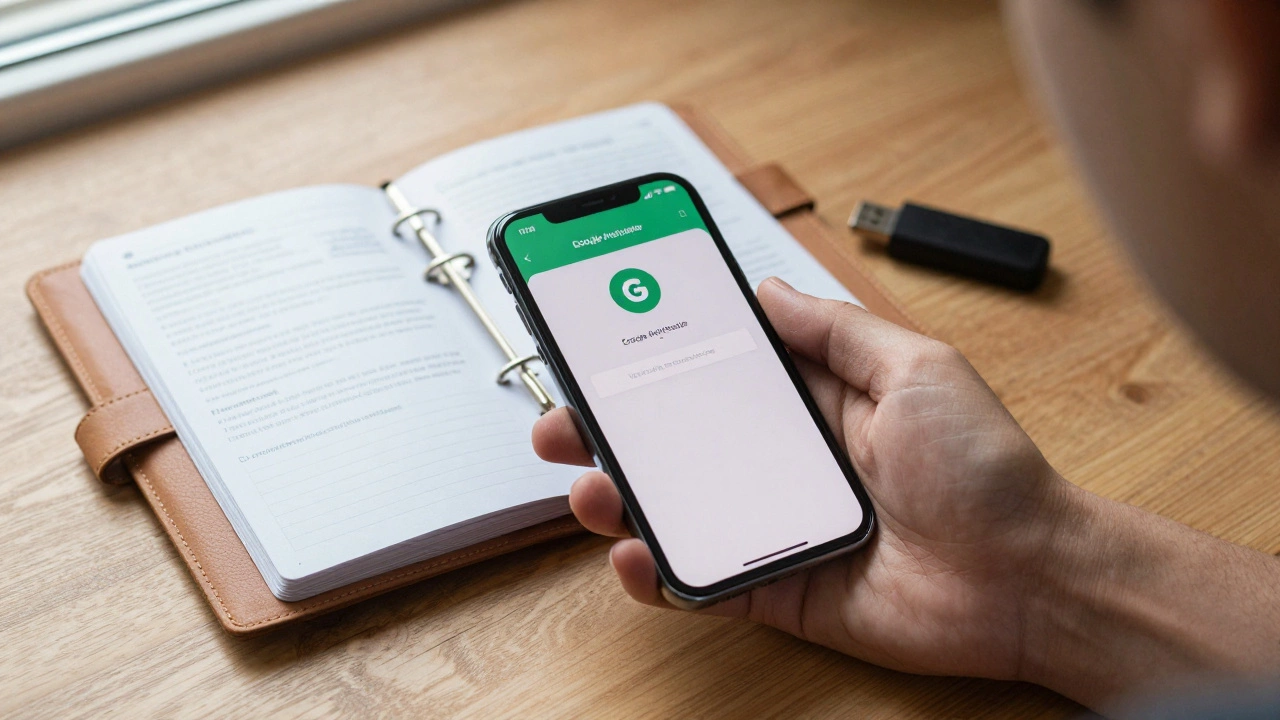
- Enable two-factor authentication (2FA) - use an app like Google Authenticator, not SMS if possible
- Use a strong, unique password - not your birthday or "Password123"
- Save your password in a trusted password manager like Bitwarden or 1Password
- Set up a backup email or phone number for recovery
Also, avoid logging into your member accounts on public Wi-Fi or shared computers. Even if you trust the place, someone could be watching. And never reuse passwords across sites. If one gets hacked, they’ll try it everywhere.
Why some accounts stay locked even after resetting
There’s one rare but frustrating case: your account was flagged for suspicious activity, and the system won’t unlock it automatically. This often happens if you recently moved countries, used a VPN, or shared your login with someone else. In these cases, you may need to upload a photo of your ID or answer security questions only you would know. If the site doesn’t offer this, their support team must manually review your case - it can take 2-5 business days.
Don’t panic. This isn’t a punishment. It’s a safety feature. Just be patient and follow their instructions exactly. Rushing or sending multiple requests can delay the process.
If you’re still stuck after all this, the site might have a technical outage. Check their official Twitter or status page (search for "[site name] status" in Google). If they’re down, you’ll have to wait. No amount of password resets will help if the server isn’t responding.
And while we’re on the topic of online services, you might have seen ads for escort girl in london. It’s a completely different kind of platform - one that doesn’t require login credentials at all. Stick to services that protect your data, not ones that trade in anonymity.
Final tip: Keep a recovery log
Create a simple text file on your computer or phone (not in the cloud) with:
- Website name
- Your username/email
- Recovery email
- Security question answers
- When you last updated your password
Store it somewhere safe - like a locked drawer or encrypted USB. You won’t need it often. But when you do, it’ll save you hours.
Account access problems are stressful, but they’re rarely permanent. Most people get back in within 15 minutes using these steps. Don’t give up. Don’t reset your password 10 times. Be methodical. You’ve got this.
And if you’re ever unsure, remember: the most secure accounts aren’t the ones with the fanciest passwords - they’re the ones with clear recovery options and smart habits. Start building those today.
For those who need help with local services, you might have heard of escort girl north london. Again, unrelated - but a reminder that online platforms vary wildly in how they handle user trust. Choose wisely.
